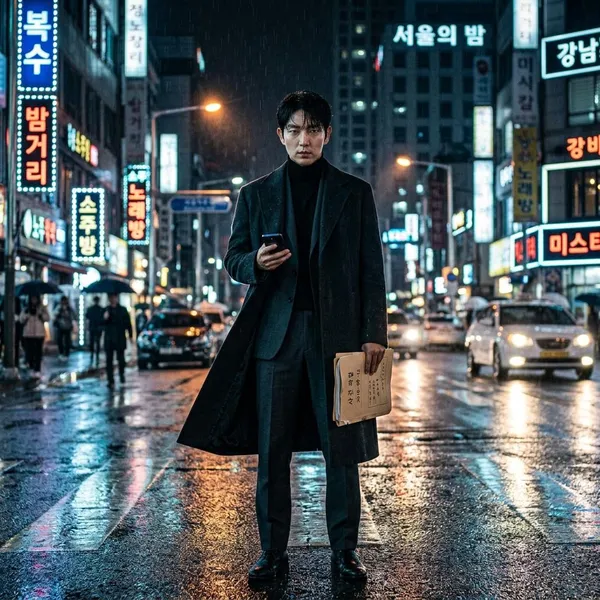
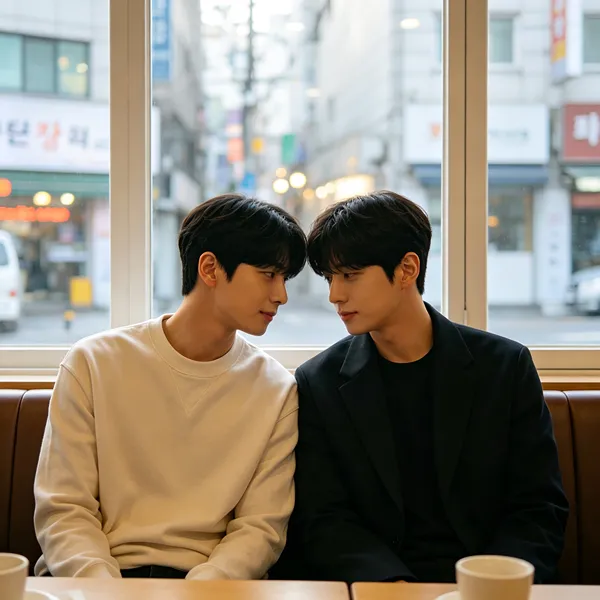
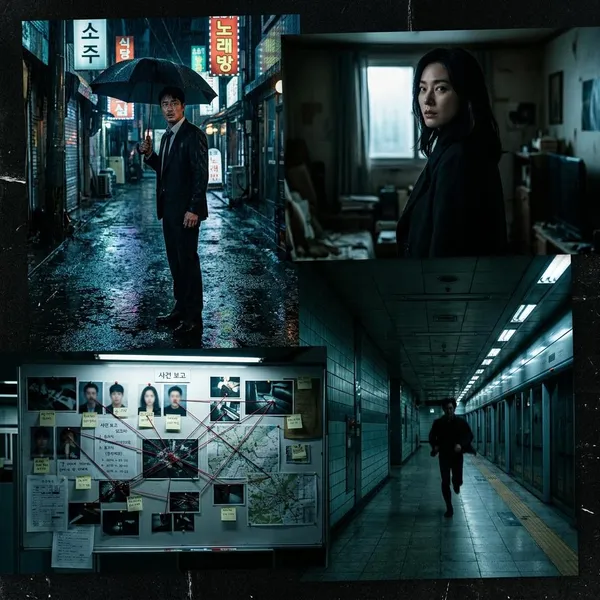
If you searched for a bts drama series, the main thing to know is this: Begins ≠ Youth is a fictional drama connected to the BTS Universe, not a biographical show about the real BTS members. It follows seven troubled boys whose friendship becomes tied to fate, trauma, and the hope of changing painful outcomes. For casual K-drama viewers, it works best as a darker coming-of-age story; for BU fans, it adds a longer dramatic shape to familiar lore.
What is Begins ≠ Youth about
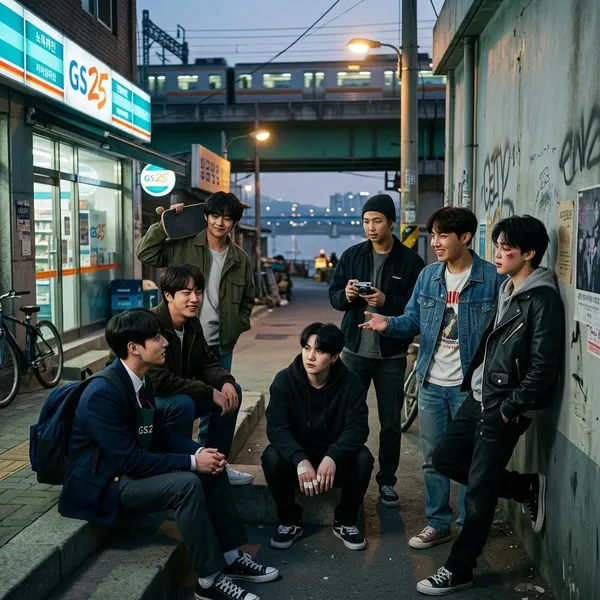
Begins ≠ Youth centers on seven young men whose lives cross at vulnerable points. The series uses the emotional world of the BTS Universe, but the easiest way to approach it is simple: this is a story about boys carrying private pain who slowly become necessary to one another.
Kim Hwan meets six boys with painful pasts
Kim Hwan becomes the main point of connection. Through him, the drama brings together six boys who are dealing with different forms of hurt: unstable homes, loss, isolation, guilt, fear, and the feeling that their futures are already narrowing.
He is not written as a perfect rescuer. That matters because the story is stronger when the boys do not feel like problems waiting for one person to fix. Their first meetings are more like fault lines: small encounters that later reveal how deeply their lives are linked.
The group forms a life-changing friendship
The friendship is the emotional reason to keep watching. It does not appear fully formed in the first episode; it grows through suspicion, awkward trust, shared danger, and moments when one boy notices what everyone else ignores.
- For BU fans: the bond carries the familiar sense of fate and rescue.
- For new viewers: the friendship works as a found-family story without needing every lore detail first.
- For sensitive viewers: the warmth is real, but it sits beside dark material rather than replacing it.
Each boy faces trauma, loss, and family conflict
The drama uses trauma as a force that shapes behavior, not just as a sad backstory. One character may act cold, another reckless, another unusually cheerful, but those reactions usually point back to something unresolved.
Family conflict is especially important. Some problems come from neglect, pressure, violence, or emotional distance at home, which makes school and friendship feel less like background settings and more like survival spaces.
Their choices shape the fate of the group
The plot depends on consequences. A single choice can pull another character into danger, delay a rescue, or make a painful pattern repeat. That cause-and-effect feeling is one of the clearest links to BU storytelling.
Begins ≠ Youth cast and characters
The cast plays fictional characters inspired by the BTS Universe, not the actual members of BTS. That distinction is useful before you start watching, because the performances are not built around imitation. The actors are there to make the fictional boys believable on their own terms.
Seo Ji-hoon as Kim Hwan
Seo Ji-hoon plays Kim Hwan, the character who helps organize the story around the group. His role needs restraint more than loud emotion, because much of Kim Hwan's weight comes from watching, remembering, and realizing how much one decision can change.
Noh Jong-hyun as Min Ce-in
Min Ce-in, played by Noh Jong-hyun, is shaped by grief and emotional distance. He may come across as hard to reach at first, but the drama gradually shows why his guarded behavior is less about arrogance and more about damage he has not processed.
His arc is worth watching closely if you like characters who change slowly. The show does not make him softer overnight, which keeps his bond with the group from feeling too neat.
Ahn Ji-ho as Jeong Ho-su
Ahn Ji-ho's Jeong Ho-su brings warmth to the group, but the brightness is not simple cheerfulness. His story carries abandonment and hurt underneath the surface, which makes his hopeful energy feel more like a survival habit than a personality gimmick.
Seo Young-joo as Kim Do-geon
Kim Do-geon, played by Seo Young-joo, is one of the more grounded figures. His conflict feels tied to everyday pressure: getting through harsh circumstances, staying practical, and acting older than he should have to.
Kim Yoon-woo as Park Ha-ru
Kim Yoon-woo plays Park Ha-ru, a character connected to vulnerability, suffering, and the effort to recover. The role could easily become only fragile, but the more interesting part is his desire to keep moving toward a better future even when the past keeps intruding.
Jung Woo-jin as Kim Joo-an
Jung Woo-jin's Kim Joo-an carries one of the heavier emotional threads. His story involves severe family conflict and fear, so his volatility is framed as the result of being trapped rather than simply being "difficult."
This is one place where viewer expectations matter. If you are watching for light BTS-related nostalgia, his arc may feel intense. If you are watching for a serious youth drama, it gives the series some of its sharpest emotional stakes.
Jeon Jin-seo as Jeon Je-ha
Jeon Jin-seo plays Jeon Je-ha, a quieter presence whose loneliness makes the group bond especially important. His character helps show that belonging is not a soft side theme in the drama; for some of the boys, it is the first sign that life might not have to stay the same.
Is Begins ≠ Youth based on BTS
Yes, Begins ≠ Youth is based on the BTS Universe, but no, it is not based on BTS members' real lives. That is the most important line to draw. The connection is creative and fictional, not biographical.
The story uses fictional BTS Universe characters
The characters come from a fictional story world that developed through BTS-related creative content, including music videos, notes, webtoon material, and other BU references. They may have roots that fans associate with BTS members, but they are separate dramatic figures.
The characters are not direct biographies
The series is not trying to document the members' childhoods, family lives, friendships, or private struggles. Its characters are written for dramatic themes such as fate, regret, rescue, and youth under pressure.
- Biography expectation: factual accuracy, real events, real names, career history.
- BU drama expectation: fictional events, symbolic links, emotional parallels, adapted lore.
The actors do not portray the real BTS members
The actors are not impersonating BTS. They do not need to copy the members' voices, mannerisms, or public personalities, and the adapted character names make that separation clearer.
The conflicts come from BTS Universe lore
The conflicts grow out of BU themes: fractured youth, painful homes, injury, guilt, friendship, and the wish to prevent tragedy. Those ideas appeared across earlier BTS-linked storytelling, but the drama reshapes them into a longer scripted format.
For viewers who do not know the BU, this means some moments may feel unusually symbolic or emotionally dense. You do not need to decode every reference immediately; following the character relationships first is usually the better path.
How the drama connects to the BTS Universe
The drama turns a fragmented transmedia story into something closer to a continuous series. That is useful because the BTS Universe can feel intimidating if you first encounter it through fan timelines, music video theories, and scattered story notes.
The connection is strongest in mood and theme rather than in a simple one-to-one retelling. If you already know the BU, you may notice familiar emotional patterns. If you are new, the drama can work as an entry point before exploring the wider material.
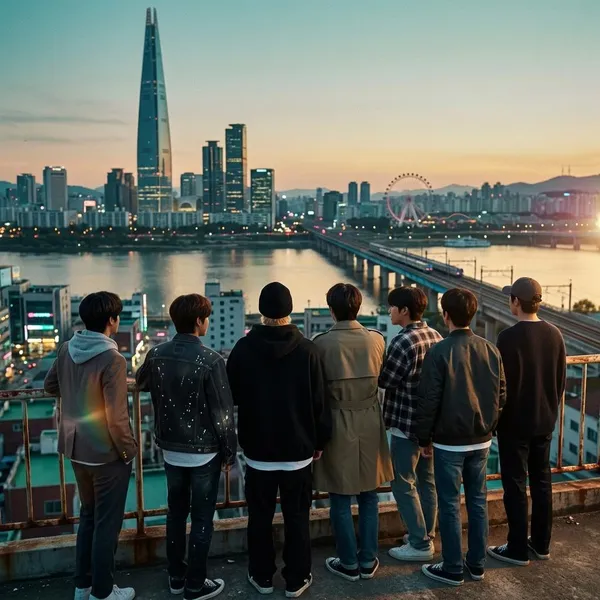
It builds on The Most Beautiful Moment in Life
The Most Beautiful Moment in Life helped define the BU's emotional center: youth that looks ordinary from the outside but is close to breaking underneath. Begins ≠ Youth carries that same feeling into a drama structure, where friendship becomes both comfort and burden.
It expands stories from BTS music videos
BTS music videos gave fans fragments: recurring symbols, linked character pain, and scenes that seemed to belong to a larger story. The drama has room to slow those fragments down into conversations, reactions, and consequences.
Do not expect every image or reference to match earlier material exactly. Adaptations often change emphasis so the story can work episode by episode instead of only as a puzzle.
It shares ideas with the Save Me webtoon
The Save Me webtoon and Begins ≠ Youth share major ideas, especially rescue, repeating pain, guilt, and the emotional bond among the seven boys. The drama is not just a filmed copy, though; it uses actors, pacing, and scene structure to make the relationships feel more immediate.
It adapts the lore for a full drama series
A full drama series has to make BU lore easier to follow without flattening everything that made it compelling. That means clearer character progression, more direct emotional scenes, and enough continuity for viewers who are not already deep into theories.
- Start with the characters. Their relationships make the lore easier to absorb.
- Track the recurring themes. Friendship, regret, trauma, and rescue matter more than catching every symbol.
- Explore other BU material later. Music videos and the Save Me webtoon are easier to enjoy once the emotional map is familiar.
Conclusion
Begins ≠ Youth makes the most sense when you treat it as a fictional BTS Universe adaptation with its own cast, not as a BTS biography in disguise. Watch it for the boys' relationships, the darker coming-of-age mood, and the way BU themes become a fuller drama story; look elsewhere if you want real BTS appearances or a factual account of the group's life.