If you are searching for the best long series korean drama, start by choosing the format you can actually live with: a warm family weekend drama, a sharper historical epic, or a daily melodrama built for routine viewing. For most beginners, My Father Is Strange is the easiest first pick, while Six Flying Dragons and Empress Ki suit viewers who want bigger stakes and more political tension.

Which long Korean drama should you watch first?
The safest way to choose is by tone, not episode count. A 50-episode drama you enjoy will feel easier than a 100-episode drama that keeps using twists you dislike.
Start with My Father Is Strange for family drama
My Father Is Strange is the most beginner-friendly choice here because it gives you the full long-drama experience without feeling punishing. It has family secrets, romance, sibling tension, parent-child conflict, and enough humor to keep the heavier moments from taking over.
Choose Six Flying Dragons for political action
Pick Six Flying Dragons if your ideal long drama has ambition, strategy, betrayal, and historical scale. It follows the founding of Joseon through shifting alliances and clashing political ideals, so the longer runtime actually helps the story breathe.
It asks for more attention than a family drama. If you like tracking factions, motives, and power moves, that attention pays off; if you mostly want comfort viewing while multitasking, this may feel too dense.
Pick Empress Ki for romance and palace conflict
Empress Ki is the stronger choice when you want romance tied directly to survival and power. The story follows a woman's rise from hardship into imperial influence, with court politics constantly shaping the emotional stakes.
Go into it expecting intensity. This is not a soft palace romance where conflict stays decorative; loyalty, status, and ambition keep changing what love costs the characters.
Try Never Twice for a lighter watch
Never Twice is easier to settle into if you want a long drama that feels communal rather than severe. Its guesthouse setup brings different characters together, which lets the story move between healing, humor, romance, and everyday trouble.
Watch My Golden Life for intense melodrama
My Golden Life is best for viewers who like family pressure, class tension, painful choices, and identity-driven melodrama. It can feel heavy, but that emotional weight is the reason many viewers stay hooked.
If you are sensitive to long stretches of stress, do not make this your first long K-drama. If you enjoy characters being pushed hard by family expectations and social status, it is one of the more gripping options.
What counts as a long Korean drama?

A long Korean drama is usually any series that goes well beyond the common 12 to 16 episode format, but the real commitment depends on runtime and format. A 50-episode weekend drama can take more total viewing time than a 100-episode daily drama if the daily episodes are much shorter.
Weekend dramas with longer episodes
Weekend dramas often run around 40 to 60 longer episodes and usually focus on families, marriages, work, generational conflict, and romance. They are often the easiest long format for viewers who already like standard K-drama emotions but want a wider cast and slower payoff.
Choose this format for long-term comfort viewing. It works especially well if you enjoy watching several relationships develop at once instead of following one central couple from start to finish.
Daily dramas with shorter episodes
Daily dramas are built for habit: shorter weekday episodes, frequent cliffhangers, and conflicts that stretch across many installments. They often reach 100 episodes or more, but each sitting can feel manageable.
Historical epics with extended story arcs
Historical epics count as long dramas when they use extra time for war, succession struggles, court politics, social change, and character transformation. The format works well because large political shifts rarely feel satisfying when they are rushed.
These are better for focused viewing than background watching. Names, factions, and alliances matter, so missing details can make later turns less rewarding.
Split episodes that raise the listed count
Some platforms list one broadcast as two shorter episodes, which can make a drama look longer than it is. A title shown as 100 episodes in one place may be close in total runtime to a 50-episode listing somewhere else.
Are 100-episode Korean dramas worth watching?
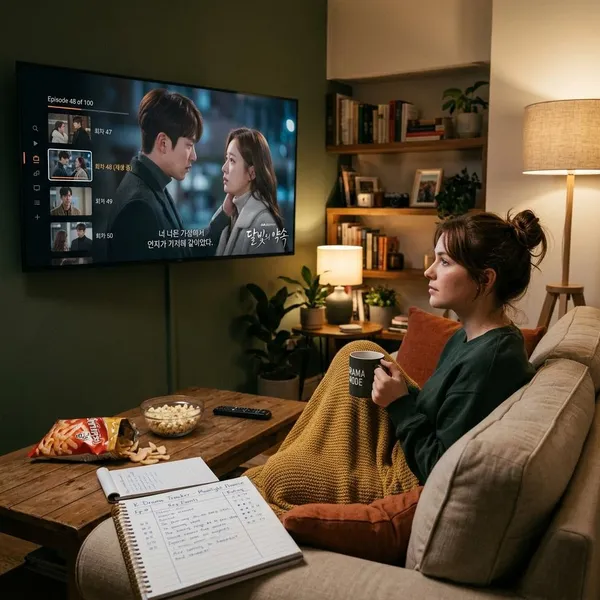
They are worth watching when you want attachment more than speed. A 100-episode drama can make side characters, family history, and small emotional shifts feel meaningful because you spend so much time inside that world.
The warning is pacing. Many long daily melodramas repeat conflicts, delay reveals, and keep villains active longer than a short drama would. That can be satisfying if you enjoy routine suspense, but frustrating if you want tight plotting.
Worth it for slow character growth
Long dramas are especially rewarding when a character needs time to change believably. A stubborn parent, resentful sibling, or emotionally guarded romantic lead can make mistakes, repeat old habits, and slowly earn a different ending.
This is where the format feels most valuable: not in adding more plot twists, but in making emotional change feel lived-in.
Worth it for large ensemble stories
A large cast benefits from a longer run because supporting characters can have more than one function. Parents, in-laws, siblings, coworkers, exes, and side couples can all affect the main story instead of appearing only when the leads need pressure.
If you like household dynamics, this is a major advantage. One character's decision can ripple through several relationships, which is harder to build in a short series.
Worth it for daily comfort viewing
For some viewers, the appeal is not prestige storytelling but routine. A short daily episode after dinner, during a commute, or before bed can feel easier than saving up energy for a dense one-hour episode.
That makes 100-episode dramas a better fit for casual long-term watching than for weekend bingeing. Treat them like a steady companion, not a race to the finale.
Less suited to viewers who dislike repetition
If repeated misunderstandings make you impatient, be careful with daily melodramas. Secrets may stay hidden for a long time, the same family objection may return several times, and a villain may avoid consequences longer than feels realistic.
That repetition sometimes helps casual viewers keep up, but it is still a deal-breaker for people who want clean, efficient storytelling.
Less suited to viewers who want fast plots
Viewers who prefer fast plots are usually happier with shorter K-dramas or a tighter historical series. Long dramas spend more time on reactions, aftermath, side relationships, and emotional delays.
Conclusion
The right long Korean drama is the one whose rhythm matches your patience: choose My Father Is Strange for a friendly first step, Six Flying Dragons for political scale, Empress Ki for romance under pressure, Never Twice for a lighter ensemble, or My Golden Life for heavier melodrama. If the tone feels right after a few episodes, the length becomes less intimidating and more like the reason the story can leave a stronger mark.