If you want the best historical korean drama series to start with, choose by mood first: restrained royal romance, palace tragedy, national epic, or wartime love. The Red Sleeve, Moon Lovers: Scarlet Heart Ryeo, Mr. Sunshine, and My Dearest are strong picks because each shows a different side of sageuk without requiring you to be a Korean history expert.
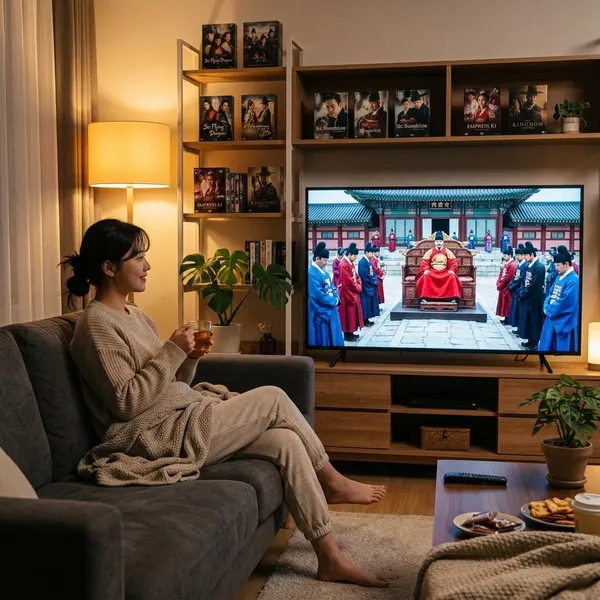
Best historical Korean drama series
The easiest way to choose a historical K-drama is not by asking which one is "best" in a general sense. Ask what kind of emotional experience you want. These four dramas are all widely loved, but they do not satisfy the same viewing mood.
- Start with The Red Sleeve if you want elegant romance, palace restraint, and real Joseon figures.
- Choose Moon Lovers if you want heartbreak, royal rivalry, and a more dramatic fusion-sageuk style.
- Watch Mr. Sunshine if you prefer a large historical canvas with politics, class tension, and resistance.
- Pick My Dearest if you want romance tested by war, separation, and survival.
The Red Sleeve for royal romance
The Red Sleeve is the best choice here for viewers who want romance with restraint rather than constant twists. It follows Crown Prince Yi San and court lady Seong Deok Im, and the tension comes from what they cannot freely say or choose inside the Joseon palace.
What makes it memorable is Deok Im's agency. She is not simply flattered by royal attention; she understands that love near the throne can cost privacy, freedom, and personal identity. That makes the romance feel more adult and more painful than a simple palace love story.
Moon Lovers for tragic palace drama
Moon Lovers: Scarlet Heart Ryeo is the dramatic, emotionally bruising pick. A modern woman is transported to the Goryeo Dynasty and becomes tied to several princes, especially Wang So, as succession pressure turns personal relationships into political risks.
This is not the drama to choose if you want strict historical realism. It works better as a fusion sageuk: heightened, glamorous, romantic, and openly tragic. For a viewer who wants palace conflict with maximum heartbreak, that is exactly the appeal.
Mr. Sunshine for an epic historical story
Mr. Sunshine is less about palace romance and more about a country under pressure. Set in the early 1900s, it follows fictional characters caught in a Korea facing foreign influence, class division, resistance, and a painful shift toward modern history.
Choose it when you want scale. The drama moves between aristocrats, servants, soldiers, activists, and outsiders, so the historical world feels wider than one court or one romance. It is also a good fit if you like slow-burn relationships where loyalty, identity, and country matter as much as love.
My Dearest for love during wartime
My Dearest is for viewers who want a romance that becomes stronger because the world around it becomes unsafe. Set during the Qing invasions of Joseon, it shows how war changes travel, family life, class position, and even the way people judge one another.
How these historical K-dramas use real history
Not every historical K-drama uses history in the same way. Some are built around real rulers and documented figures; others place fictional characters inside real periods of war, reform, or dynastic struggle. That difference matters if you care about accuracy.
- More historically anchored: stronger sense of real court limits and political consequence.
- More fictionalized: more freedom for romance, pacing, and emotional drama.
- Fusion sageuk: historical setting mixed with fantasy, time travel, or modern storytelling style.
None of these approaches is automatically better. A viewer who wants to learn the broad mood of an era may prefer Mr. Sunshine or My Dearest, while someone who enjoys character tragedy in a stylized palace setting may connect faster with Moon Lovers.
The Red Sleeve follows real Joseon figures
The Red Sleeve is tied to real Joseon history through Yi San, later King Jeongjo, and Seong Deok Im. The drama still shapes scenes for television, but its emotional power comes from limits that feel historically grounded: rank, palace etiquette, gender expectations, and duty to the throne.
Moon Lovers adds fiction to Goryeo history
Moon Lovers uses Goryeo royal conflict as a framework, then adds a fictional time-travel heroine and a heavily dramatized romance. That makes it easier to enter emotionally, especially for newer viewers, but it should not be treated as a strict lesson in Goryeo history.
If you dislike fantasy devices in historical stories, skip this one for now. If you enjoy modern emotional access inside an older dynastic setting, it is one of the most addictive choices.
Mr. Sunshine uses fictional leads in a changing Korea
Mr. Sunshine builds its main story around fictional leads, but the world around them reflects a real period of national instability. This lets the drama show history through people from different classes rather than through one famous ruler or court event.
My Dearest sets fictional lovers during the Qing invasion
My Dearest places fictional lovers inside the real trauma of the Qing invasions of Joseon. The romance is imagined, but the fear, displacement, and social disruption are the point of the setting, not just background decoration.
That makes it a strong pick for viewers who want history to feel immediate and personal. The war changes what the characters can safely do, where they can go, and what kind of future they can imagine.
Why historical K-dramas stand out
Historical K-dramas stand out because the setting raises the cost of ordinary choices. Love is rarely private, family loyalty can become political, and one mistake in court or war can change a person's entire life.
The strongest sageuk also gives you two kinds of drama at once: the intimate story of a few people and the larger pressure of a society changing around them. That is why even a quiet conversation can feel tense when it happens inside a palace, during an invasion, or in a country facing foreign power.
High-stakes romance
Romance in sageuk usually matters because something real is at risk: status, safety, family reputation, political loyalty, or survival. If you prefer low-stress romance, these dramas may feel heavy; if you like longing and impossible choices, the genre is hard to beat.
Complex palace politics
Palace politics gives historical K-dramas their suspense. A marriage, rumor, promotion, or royal favor can shift power quickly, so romantic and family scenes often carry hidden consequences. The common mistake is watching only for the couple and missing how court pressure is shaping every decision.
Rich period settings
The costumes and sets are beautiful, but the best dramas use them for more than atmosphere. Clothing can show rank, rooms can show access to power, and rituals can reveal who is allowed to speak, kneel, refuse, or disappear quietly.
Strong themes of duty and sacrifice
Sageuk often asks whether a person should choose love, family, ruler, country, or conscience. That is why endings in this genre can feel bittersweet rather than neat. The sacrifice is not always there for shock value; sometimes it is the only believable result of the world the drama has built.
Personal stories shaped by national conflict
The most memorable historical K-dramas do not keep personal life separate from history. In Mr. Sunshine, national change reshapes identity and loyalty. In My Dearest, war turns romance into a question of endurance. That wider pressure is what makes the personal story feel larger than a private relationship.

Conclusion
Pick The Red Sleeve for refined palace romance, Moon Lovers for tragic emotional intensity, Mr. Sunshine for historical scale, and My Dearest for wartime longing. If you choose based on the kind of pressure you want to watch—court duty, royal rivalry, national change, or survival—the first drama you start is much more likely to stay with you.