The best British drama series of all time are not just the biggest hits; they are the shows people still argue about, recommend, and return to years later. If you want a sensible starting point, choose by mood first: Prime Suspect or Happy Valley for crime, Brideshead Revisited or Downton Abbey for period drama, and I May Destroy You or It's a Sin for modern emotional impact.
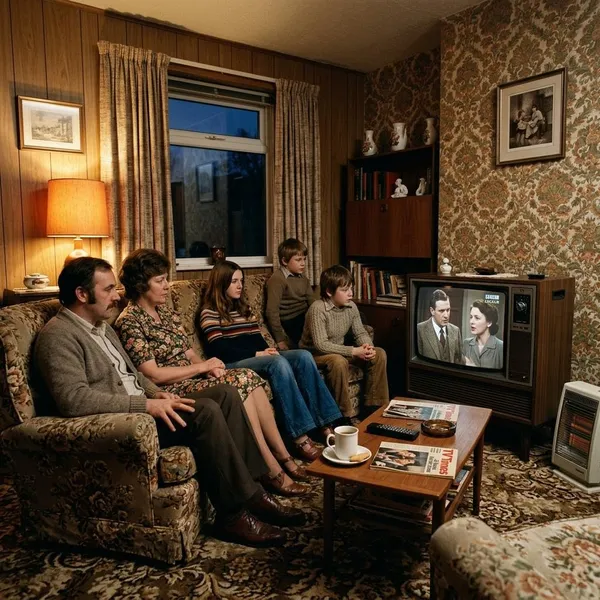
British drama is unusually strong because it has never depended on one formula. Some of its greatest series are quiet, talk-heavy, and morally complicated; others are stylish, accessible, and built for binge-watching. A good watchlist should mix both, otherwise you miss how much range UK television has.
British drama classics from the 1970s and 1980s
The 1970s and 1980s gave British television many of its foundations: literary adaptations, political thrillers, social realism, and historical drama built around writing rather than spectacle. These older series can feel slower than current TV, but that is often the point. They ask you to sit with character, power, class, and betrayal instead of rushing from twist to twist.
If you usually watch modern streaming dramas, begin with the most accessible fit: Brideshead Revisited for period atmosphere, Tinker Tailor Soldier Spy for spy intrigue, or Boys from the Blackstuff if you want something raw and socially grounded.
I, Claudius
I, Claudius turns Roman imperial history into intimate family warfare. Derek Jacobi's Claudius watches ambition, paranoia, and betrayal unfold around him, and the series works because the danger is usually in the conversation rather than the battlefield.
Do not go in expecting the visual scale of a modern historical epic. Its strength is theatrical performance, poisonous dialogue, and the feeling that every polite exchange could destroy someone. If you like political games in shows such as Succession, this older production is easier to enter than it may look.
Tinker Tailor Soldier Spy
Tinker Tailor Soldier Spy is the choice for viewers who prefer suspicion over action. Alec Guinness plays George Smiley with such stillness that tiny shifts in tone become dramatic events, and the hunt for a Soviet mole feels grey, tired, and completely believable.
This is not a background-watch series. It rewards attention to names, glances, office politics, and old loyalties. If you want explosions, skip it for now; if you want espionage as patience, compromise, and quiet dread, it remains one of Britain's finest achievements.
Brideshead Revisited
Brideshead Revisited is often remembered for its beauty, but its real value is melancholy. The story of Charles Ryder and the Flyte family uses country houses, religion, class, and desire to show a world fading while everyone inside it tries to hold on.
It is a strong first classic if you want British period drama at its most literary. The pace is reflective rather than urgent, so it suits a viewer looking for mood, memory, and emotional regret more than plot-heavy suspense.
Boys from the Blackstuff
Boys from the Blackstuff is harder-edged than many period favourites because it deals with unemployment, pride, and working-class life in Liverpool during economic crisis. It never treats its characters as symbols first; they are men trying to keep dignity when the system gives them fewer and fewer choices.
Watch this when you want British drama with anger in it. It is not comfort viewing, but it explains why social realism has such a strong place in UK television.
Edge of Darkness
Edge of Darkness begins with a father investigating his daughter's murder and expands into conspiracy, politics, and national unease. That movement from private grief to public corruption gives the series its strange, unsettling force.
Its tone is paranoid and sometimes unusual, so it works best for viewers who like thrillers with atmosphere rather than neat answers. The emotional hook, though, is simple: a bereaved father keeps pushing because he cannot accept the official version of events.
British dramas that defined the 1990s and 2000s
The 1990s and 2000s made British drama sharper, darker, and more willing to challenge institutions. Crime series became psychologically tougher, political thrillers grew more cynical, and shows about identity and sexuality moved closer to the centre of mainstream television.
This is the most practical era to explore if you want something that still feels modern without losing the texture of older UK drama. Start here if you want strong writing but are not ready for the slower rhythm of the 1970s and 1980s.
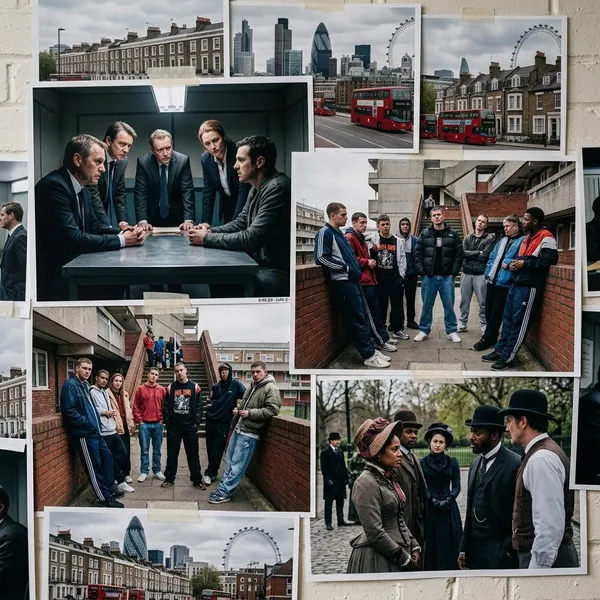
Prime Suspect
Prime Suspect is one of the safest answers when someone asks for the greatest British crime drama. Helen Mirren's Jane Tennison is brilliant, abrasive, exhausted, and constantly forced to prove herself in a police culture that does not want to make room for her.
The investigations matter, but the real reason to watch is the cost of the job. Tennison is not written as a clean inspirational figure; her authority, ambition, and isolation all come with consequences. For a newcomer who wants one classic police drama before anything else, this is the best starting point.
Cracker
Cracker is crime drama for viewers who want psychology rather than procedure. Robbie Coltrane's Fitz is a forensic psychologist with a gift for reading damaged people, but he is also chaotic, selfish, and difficult to admire.
Queer as Folk
Queer as Folk changed what British television could show about gay life. Russell T Davies gave its Manchester characters sex, humour, recklessness, friendship, and desire without asking them to be respectable for the audience's comfort.
Its cultural importance is obvious, but it is also lively television. If you only know later LGBTQ+ dramas, watching this helps show how bold and confrontational it felt in its own moment.
State of Play
State of Play is a tight political and media thriller about journalism, government, loyalty, and hidden influence. It still feels current because its concerns — spin, compromised power, and the pressure on reporting — have not gone away.
Pick this if you want a compact drama that moves quickly but still feels intelligent. It is especially useful as a bridge between older political thrillers and modern conspiracy storytelling.
Life on Mars
Life on Mars could have been a gimmick: a modern detective wakes up in 1973. Instead, it becomes a funny, tense, and surprisingly emotional drama about policing, masculinity, memory, and whether the past is as simple as nostalgia wants it to be.
John Simm and Philip Glenister make the central clash work. One brings modern procedure and doubt; the other brings old-school force and swagger. If you want crime drama with a strange hook and more entertainment value than gloom, this is the one to try.
Modern British dramas that became classics
Modern British drama has produced series that became global reference points almost immediately. Some are lavish and accessible; others are raw, intimate, or formally daring. The common thread is that they offer more than a strong premise: they leave behind characters, scenes, and arguments people keep returning to.
For a weekend watch, choose I May Destroy You or It's a Sin because they are concentrated and emotionally complete. For a longer run, Downton Abbey, Line of Duty, Happy Valley, and Peaky Blinders give you worlds you can settle into.
Downton Abbey
Downton Abbey is the most welcoming entry point for many viewers because it combines period detail, romance, family conflict, and social change without becoming difficult to follow. The Crawleys and their servants give the series its upstairs-downstairs structure, but the pleasure is in watching an old order slowly adjust to a new century.
It is not the most radical drama on this list, and that is partly why it works. If you want comfort, elegance, and steady character attachment, start here. If you want harsher realism, save it for later and begin with Happy Valley or Prime Suspect.
Line of Duty
Line of Duty turns police anti-corruption work into a machine for suspense. AC-12 interviews, shifting loyalties, and cliffhangers made the series feel like a national guessing game at its peak.
- Best for: viewers who like twists, interrogations, and long-running mystery threads.
- Less ideal for: anyone who prefers self-contained cases with little mythology.
- Watch first if: you want a modern British crime drama that is addictive from episode to episode.
Happy Valley
Happy Valley is a crime drama, but its power comes from grief, community, and ordinary endurance. Sarah Lancashire's Catherine Cawood is practical, funny, wounded, and formidable, and the series never lets violence feel like a puzzle with no human cost.
This is the better choice than Line of Duty if you want emotional realism over conspiracy mechanics. It is tense, but it is also deeply humane, which is why many viewers place it near the very top of modern British television.
Peaky Blinders
Peaky Blinders gives British period drama a harder, more stylised edge. Cillian Murphy's Tommy Shelby is the centre of a Birmingham crime family shaped by war trauma, ambition, violence, and political unrest.
I May Destroy You
I May Destroy You is one of the clearest modern examples of British television pushing the form forward. Michaela Coel's series follows Arabella after a sexual assault, but it refuses to reduce trauma, consent, friendship, race, creativity, or recovery to a single lesson.
It can be painful, funny, awkward, and sharp within minutes. That tonal freedom is what makes it feel honest. If you want a short series that is artistically bold and emotionally exacting, put this near the top of your list.
It's a Sin
It's a Sin tells a devastating story about young gay friends living through the AIDS crisis, but it is not written only through grief. Russell T Davies makes the characters joyful, vain, funny, frightened, loving, and alive before the full weight of loss arrives.
Recent British dramas with lasting potential
Some newer British dramas have not had decades to prove themselves, but they already show the qualities that help a series last: a clear point of view, grounded performances, and a world specific enough to feel lived in. The best recent titles are not just reacting to current headlines; they are using modern pressure points to tell durable human stories.
If you are choosing between these, think about setting first. Blue Lights is for street-level policing, This Is Going to Hurt for workplace burnout, The Gold for crime and money systems, and Adolescence for youth pressure and family anxiety.
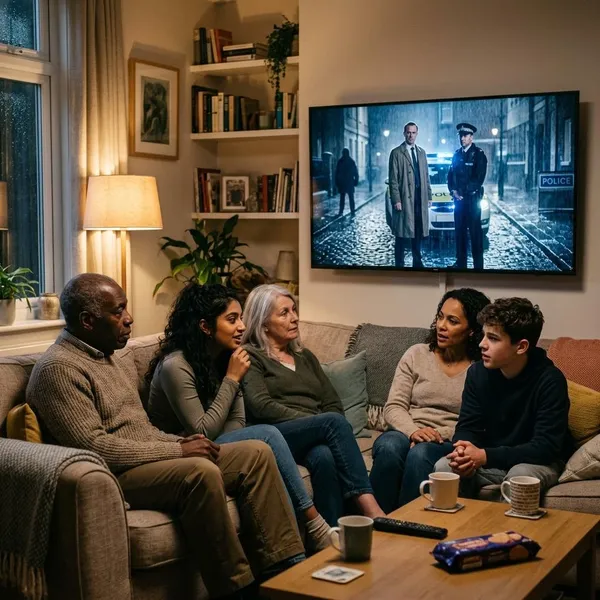
Blue Lights
Blue Lights stands out because it treats Belfast as more than a backdrop. Rookie police officers learn the job in a place where community memory, danger, humour, and local tension all shape ordinary calls.
It is a good choice if you like Happy Valley but want something newer and more street-level. The stakes often come from uncertainty: not knowing which situation is routine, which is personal, and which could turn dangerous quickly.
This Is Going to Hurt
This Is Going to Hurt adapts Adam Kay's memoir into a workplace drama about exhaustion, guilt, pressure, and the emotional cost of hospital life. Ben Whishaw gives the series its brittle humour and quiet damage.
Watch it when you want something funny but not light. The jokes come from survival, and the drama works because it turns a strained healthcare system into lived experience rather than abstract debate.
The Gold
The Gold begins with the Brink's-Mat robbery but becomes more interesting when it follows what happens after the crime. Stolen gold moves through criminal networks, business fronts, and respectable-looking systems, making the aftermath more revealing than the heist itself.
That wider view gives it staying power. It is not only about thieves; it is about how dirty money changes shape when enough people want a piece of it.
Adolescence
Adolescence has the kind of premise that can easily become sensational, but its lasting potential depends on how seriously it treats young people, families, fear, and social pressure. At its best, youth drama works when it refuses to turn teenagers into either symbols or punchlines.
Choose this if you are interested in modern British drama that looks at vulnerability close up. It may be too early to call its final place in the canon, but it already has the kind of urgency that keeps people talking.
Conclusion
The strongest British dramas earn their reputation in different ways: Prime Suspect through character and institutional pressure, Brideshead Revisited through atmosphere and memory, Happy Valley through emotional truth, and I May Destroy You through fearless modern storytelling. If you are unsure where to begin, pick one classic and one modern series rather than trying to watch chronologically; that gives you the clearest sense of why British drama has stayed so influential.