If you want an Australian period drama series that is easy to start with, choose by mood first: family secrets, stylish mystery, wartime realism, romance, or rough colonial adventure. The best shows in this genre work because the setting is not just decoration; the era changes what characters can say, risk, inherit, hide, or escape.
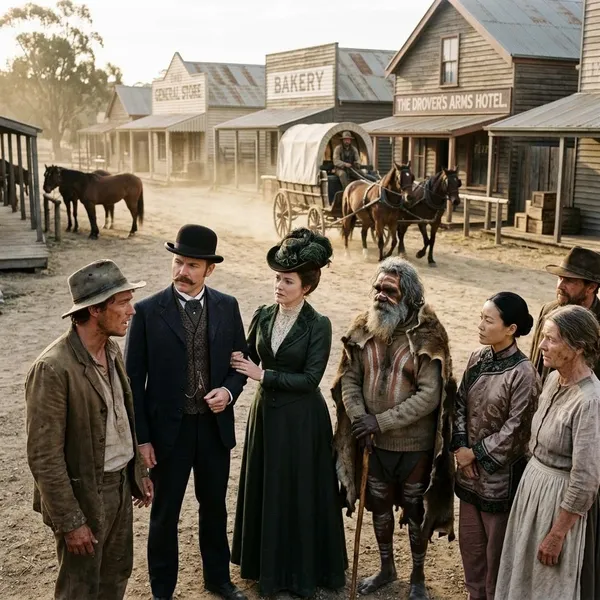
Best Australian period drama series
A good starting point is to match the series to the kind of story you already enjoy. If you like emotional family drama, do not begin with a war series just because it is historically important. If you prefer a case-of-the-week mystery, a slower saga may feel like homework.
| Series | Best if you want | What to expect |
|---|---|---|
| A Place to Call Home | Postwar family secrets | Melodrama, romance, class pressure, social change |
| Miss Fisher's Murder Mysteries | A lighter first watch | 1920s style, witty crime plots, strong lead character |
| The Artful Dodger | Fast colonial adventure | Crime, medicine, romance, modern pace |
| ANZAC Girls | Wartime history with emotion | Nursing, friendship, grief, endurance |
| All the Rivers Run | An older romantic saga | Riverboat life, survival, love, scenic drama |
| Against the Wind | Convict-era hardship | Early colonial struggle, punishment, survival |
Why Australian period dramas stand out
Australian period dramas are not just British heritage drama moved to a warmer climate. They often deal with distance, settlement, class mobility, migration, war service, and the uneasy question of who gets to belong. That gives even familiar genres, such as mystery or romance, a different pressure.
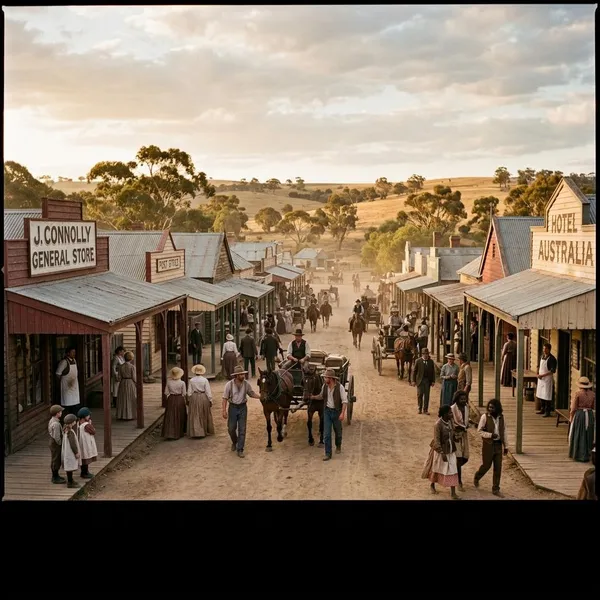
Distinctive landscapes and settings
The landscape often changes the story rather than simply decorating it. A river can decide whether people trade, travel, or survive. A remote settlement can make law feel fragile. A grand rural estate can look beautiful while still feeling isolated from the rest of society.
For viewers used to drawing rooms and European cities, this is one of the main reasons the genre feels fresh. The setting can make daily choices feel riskier and more physical.
Stories shaped by colonial history
Colonial history gives many Australian dramas a sharper edge. Convict transportation, frontier expansion, British influence, land ownership, and inherited privilege can sit behind romance, crime, or family conflict even when the plot is fictional.
That does not mean every series handles the subject with the same depth. A lighter adventure may use the colonial world mainly as a backdrop, while a convict-era saga asks the viewer to sit with punishment and survival more directly. Knowing that difference helps you choose the right tone.
Strong themes of class and identity
Class in Australian period drama often feels unstable. Characters may be trying to rise, hide where they came from, protect a family name, or invent a new identity in a society that still judges them by origin and reputation.
That is why these shows can feel accessible even when the setting is far from modern life. The clothes and manners change, but the pressure to be accepted, respected, or free is easy to understand.
Local views of war and migration
War and migration are usually shown through ordinary people rather than only through leaders or grand speeches. Nurses, returnees, families, and newcomers carry the emotional weight, which makes historical change feel domestic and personal.
A viewer interested in national history may notice the larger themes. Someone watching mainly for drama will still feel the impact through homes, hospitals, marriages, friendships, and social expectations.
A mix of history and modern storytelling
Many Australian period shows use modern pacing or dialogue while keeping the broad historical pressures intact. That can make them easier to watch than a very formal costume drama, especially for viewers who do not usually seek out historical television.
The balance matters. Too much modern language can break the illusion, but a little directness can help the characters feel alive rather than preserved behind glass.
How Australian period dramas use history
The most useful way to watch these series is to separate historical feeling from exact historical record. Some are based closely on documented experiences, while others place invented characters inside a real period. Both can work, but they ask for different expectations.
If you care about accuracy, check what kind of show you are watching before judging it. A wartime drama based on real nurses carries a different responsibility from a fictional detective series using 1920s Melbourne as its playground.
Recreated settings and costumes
Costumes, interiors, vehicles, tools, signs, and domestic details do a lot of quiet work. They show class, wealth, profession, and social rules before anyone explains them.
Look at what the design tells you about daily life. A polished room may signal power and control, while a cramped hospital ward or rough settlement can make pressure visible immediately.
Stories drawn from real events
When a series draws from real events, such as ANZAC Girls, the emotional weight changes. The viewer knows the story has roots in lived experience, even if scenes are shaped for television.
- Expect compression: timelines may be shortened.
- Expect selection: not every real event can fit.
- Expect interpretation: drama aims for meaning, not a full archive.
Fictional characters in historical settings
Fictional characters can make an era easier to enter. They can move between social groups, ask uncomfortable questions, or push against rules in a way that creates strong drama without needing every plot point to come from a real biography.
This approach is especially useful for casual viewers. You can enjoy the story first, then look up the real period later if a topic catches your interest.
Changed timelines for dramatic effect
Changed timelines are common in historical television. Events may happen closer together, relationships may move faster, and separate incidents may be combined so the story has momentum.
The real warning sign is not compression by itself. Be more cautious when a show changes the basic power dynamics of the era so much that the past starts behaving like the present in costume.
Modern dialogue in older worlds
Modern-sounding dialogue can help a period drama feel alive, but it works best when the characters still face the limits of their time. A woman in a 1920s mystery may speak with confidence, for example, but the story should still show why that confidence matters in her society.
If the language feels too current, treat the show as a stylized drama rather than a strict reconstruction. That does not make it worthless; it simply changes what you should expect from it.
Conclusion
The best choice depends on what you want from the evening: Miss Fisher's Murder Mysteries for charm, A Place to Call Home for emotional family drama, ANZAC Girls for wartime depth, and Against the Wind when you want something rougher and more rooted in early colonial history. Start with the tone you are most likely to enjoy, then use the historical setting as the reason to branch out.